
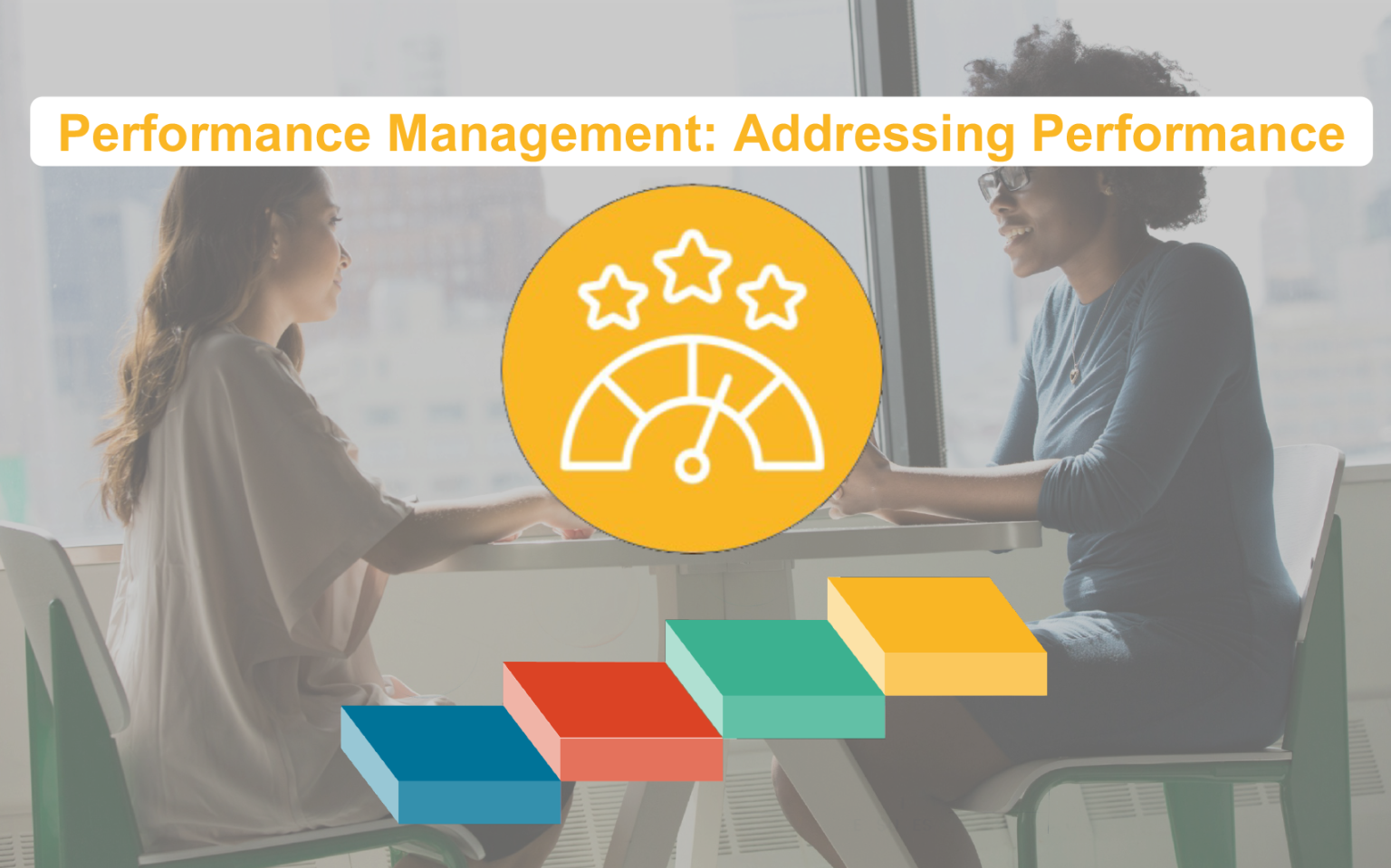

 ADDRESSING PERFORMANCE
Performance Management supports a team member’s growth and ability to carry out their role effectively, rather than addressing personal wrongdoing. In many ways, our approach mirrors the spirit of loving restoration outlined in Matthew 18—always seeking to come alongside one another, offer thoughtful encouragement, and provide the resources needed to succeed. However, as this passage acknowledges, there are times when, despite our best efforts and care, the healthiest and most constructive path forward is a supportive parting of ways.
Performance Improvement Plans
We hope that addressing the eight needs mentioned above will restore the staff member to effectiveness and fulfilment in their role. However, if the issues persist despite all possible interventions, LDHR may need to shift away from purely supportive and collaborative behaviour. If you have addressed the issue informally in conversation and more formally by identifying the causes with the staff member and addressed those causes with appropriate interventions (feedback, coaching, training, adjustment), and there is still inadequate improvement, a Performance Improvement Plan (PIP) will bring sharp focus to the required standards of performance and the consequences if they are not met.
It is important to recognise that this essentially marks the boundary between what has been a developmental and/or pastoral process and what would be classified as a disciplinary process, which may conclude in disciplinary sanctions, loss of ‘position’, or dismissal from staff. As such, you must be familiar with and competent in handling the national laws that govern this kind of process. If you are not familiar with these things, please seek outside legal counsel.
A Performance Improvement Plan has a number of important elements:
- Identifying the ‘under-performance’ areas. These should not come as a surprise, as this process should only ever follow the less formal interventions mentioned above. However, this may need to be more specific than previously explored and clearly articulated. Specific examples and instances are helpful.
- Articulating what ‘required performance’ looks like. This may include SMART goals (Specific, Measurable, Achievable, Relevant, and Time-bound). It must be specific enough that it is self-evident whether a staff member has achieved the required level.
- Support to be given. Support or coaching may continue, and it helps the staff member know that you still hope and pray they will be restored to a thriving ministry. It’s also helpful to provide and articulate intermediate ‘check-in’ points along the way.
- Timescales. This is an area where it may be helpful to discuss with the staff member what seems realistic. Typically, it is between one and four months, depending on how much behavioural change is required. Interim reviews along the way also help ensure that any final decisions are anticipated.
- Consequences. This is often the most difficult part and, for many of our ministries, seems quite alien, but it is essential to be very clear with the staff member about what will happen if they do not attain the required performance level. Most often, the consequences are either removal from their position or removal from staff if another role is not appropriate or available.
Acting Justly and Loving Mercy
What you have learned about the staff member through the process, and your skill as an LDHR leader, may give you a unique perspective on how to best support them during what will inevitably be a vulnerable, difficult, and stressful time for them (and often their team leader and team members). Continuing to show respect, dignity, confidentiality, and love will be important. Following through on the consequences of the PIP will be important, but even in this ‘acting justly’, it’s also important for your heart to pull you toward understanding what mercy looks like in the situation.The Lord has likely revealed things to both you and the staff member through the process, so it is never just a question of whether they should change roles or leave the movement, but HOW these things will happen. In my experience, the areas of finance, timing and reputation can often be where mercy shows itself.
We have attached a template Performance Improvement Plan aquí, but we also recognise that managing these situations is difficult and stressful. If you are part of one of our global ministries and reach this stage and need some help, do get in touch with the LDHR Llama, and he will happily get one of his people to come alongside you as you walk through this: llama@cru.org
Taken from the document “A Guide to Managing Staff Performance” by Paul Cheseman

 Spanish
 English
 Chinese (China)
 Chinese (Taiwan)
 French
 German
 Japanese
 Korean
 Polish
 Portuguese
 Russian
 Ukrainian
 Arabic