

Bloom where you are planted! This saying just sounds good, doesn’t it? We don’t always control where we live, what we do, or the circumstances around us. We are called to trust God and give thanks no matter what. I agree wholeheartedly, but how did the phrase “bloom where you are planted” follow from that?
I’ve said this to myself and to others, always with the best intentions. I wanted to encourage people to make the most of their situations. Having lived overseas for 11 years and moved several times internationally, I’ve seen this mindset alive and well in expat communities. We use plant analogies to describe being uprooted and replanted. This phrase looks lovely on a meme, next to a beautiful flower growing out of dry soil. But I wonder if we’ve gotten it backward. Are we really called to bloom where we’re planted, or do we need to be planted where we can bloom and thrive?
After years of moving, my family finally has a place to grow a garden and, Lord willing, see it grow and be established for years to come. I didn’t expect this, but buying plants has become a real weakness for me. I always thought I had a black thumb. Slowly, I’m learning to keep them alive. All plants need three basic things: soil, water, and light. However, the right amounts of each, and the climate around them, vary widely.
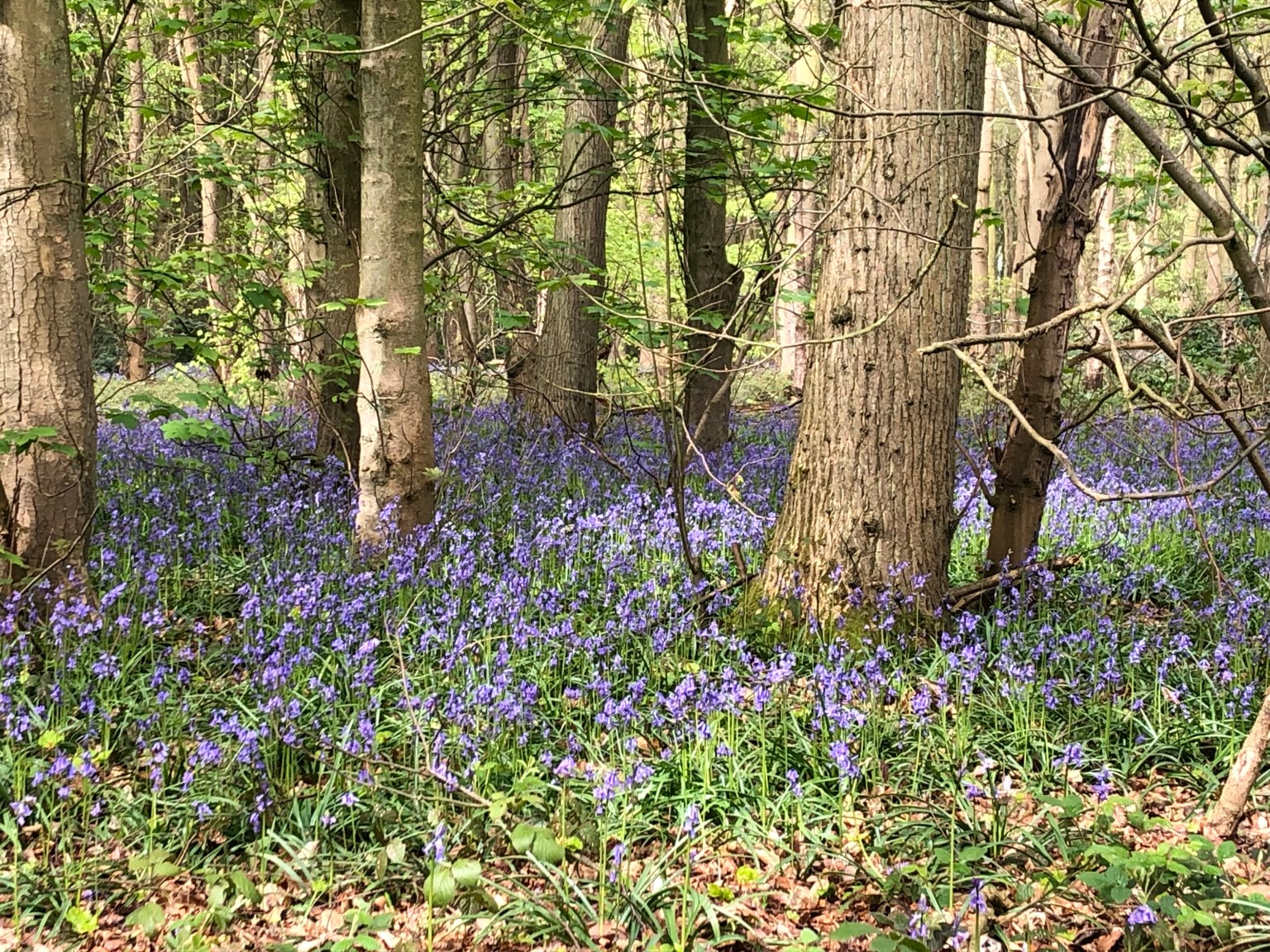
We lived in England for a year. Our garden was beautiful and clearly the product of decades of care. My garden now, in hot, muggy Virginia, looks nothing like my garden in England. In May, we used to walk through the English countryside and see bluebells carpet the forest floor. But try as I might, English bluebells won’t grow in Virginia’s clay soil, hot summers, and freezing winters. Does that make bluebells faulty? Absolutely not; they simply can’t thrive everywhere.
When we moved into our place, the previous owner had left a small vegetable garden surrounded by marigolds. The first year, they reseeded themselves and came back. We loved their color, size, and their knack for attracting pollinators and repelling pests, so we gathered seeds and spread them through the rest of our garden. This spring, we saw new marigolds come up in sunny spots. A few appeared in shadier areas too– just not as full. One particular area is especially shady. A small marigold sprouted there in spring and grew about two inches tall. And it has stayed two inches tall for months! No flowers, no more growth. Looking at that stunted plant, I had two choices. I could get frustrated and tell that plant it really should try harder to bloom where it is planted, or I could recognize that marigolds just need more sunlight than that spot gets.
How does this apply to the work we do in LDHR? As we seek to be good stewards of the people God has entrusted to us, do we place people in roles simply because a need exists? Or do we consider the way God has made them? Do we ask people to fit a job description, or do we shape the role around how they’re wired? Do we expect everyone to thrive in any role, or do we plant them where they can actually bloom?
I understand the tension here. We still have a mission to accomplish. But maybe the answer is to act more like gardeners–looking for the intersection between the roles we need to fill and the people we have to fill them. Who needs more sun? Who needs shade? Who is thirsty to take on a new challenge? Who needs relief from the pressure to keep going? Instead of asking people to bloom where they’re planted, what if we started asking:
Where do we need to be planted to bloom?






 Korean
  English
  Chinese (China)
  Chinese (Taiwan)
  French
  German
  Japanese
  Polish
  Portuguese
  Russian
  Spanish
  Ukrainian
  Arabic