

 LDHR PREPARATIONS
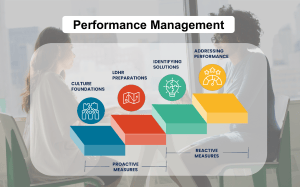
Putting the cultural pieces in place will hopefully address many performance issues before they become problems. In addition, part of your role in LDHR means you will also want to ensure you have the necessary LDHR elements already in place for when performance issues start to emerge.
Here are three categories to think about:
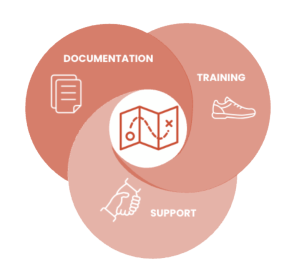
 Clear Documentation. This is often the piece of the puzzle that people think about too late. LDHR needs to maintain consistent records of performance discussions, goals, and outcomes. In the Christian sector, grace and forgiveness often lead to leaders not documenting issues in the early stages of a performance issue, which makes addressing the issue harder later on because there is no record of patterns of behaviour. For the protection of the organisation, meeting legal requirements (in many countries), and being fair to the staff member, ongoing documentation is essential. It’s always a judgement call when a general development concern tips the balance into becoming a “performance issue”, but if in doubt, keeping at least a temporary record file with LHDR is helpful.
 Training for Team Leaders. To ensure clear documentation, we need to help team leaders understand the need to keep their own records of conversations or concerns they spot, including specifics and dates. Helping them spot and address issues early through the Staff Development Cycle, and having structured, constructive conversations when needed, is a useful training intervention. Finally, giving guidance on when to involve LDHR in the process is vital.
 Support for Underperformance. Most of our staff are highly passionate and committed, but sometimes they lack the skills they need. We’ll talk more about Performance Improvement Plans below, but much of the effectiveness of these plans and other interventions relies on having usable solutions already in place to support staff. For instance:
- Do you have trained coaches? Or can you ensure your team leaders are equipped with coaching skills?
- Is there role training available when new roles or assignments are undertaken? Formal training programmes are great, but often with specialist roles, thinking through who would be appropriate to ‘shadow’ – either inside or outside the organisation – works well. As a starting point, get some expert input on what books and online content are recommended.
- Do you have access to counseling/mental health support? Performance issues sometimes have a deeper root, so knowing where to turn ahead of time is important.
Taken from the document “A Guide to Managing Staff Performance” by Paul Cheseman



 Ukrainian
 English
 Chinese (China)
 Chinese (Taiwan)
 French
 German
 Japanese
 Korean
 Polish
 Portuguese
 Russian
 Spanish
 Arabic